Local businesses in Miami, FL listed on homebusinesswebguide.com

About Miami, FL

Miami operates as a bilingual city where 70% of residents speak Spanish at home, and that linguistic reality shapes every aspect of its independent business landscape. The city's 450,000 residents (6.1 million in the metro area) support business districts that serve distinct cultural communities: Little Havana's Cuban-owned restaurants and cigar shops, Little Haiti's Creole bakeries and botanicas, Wynwood's galleries and creative businesses, and the Design District's independent luxury retail. Each neighborhood maintains commercial infrastructure that reflects decades of immigrant entrepreneurship.

The independent business climate in Miami benefits from the city's role as a gateway for Latin American trade and tourism. Small business owners in Miami frequently serve customers in English, Spanish, and Portuguese, creating a multilingual service environment that national chains struggle to replicate. This language infrastructure gives independent businesses in hospitality, professional services, and retail a structural advantage. Miami-Dade County processes $30 billion in international trade annually, and independent customs brokers, freight forwarders, and logistics firms handle a significant portion of that volume.

Neighborhoods and Landmarks in Miami

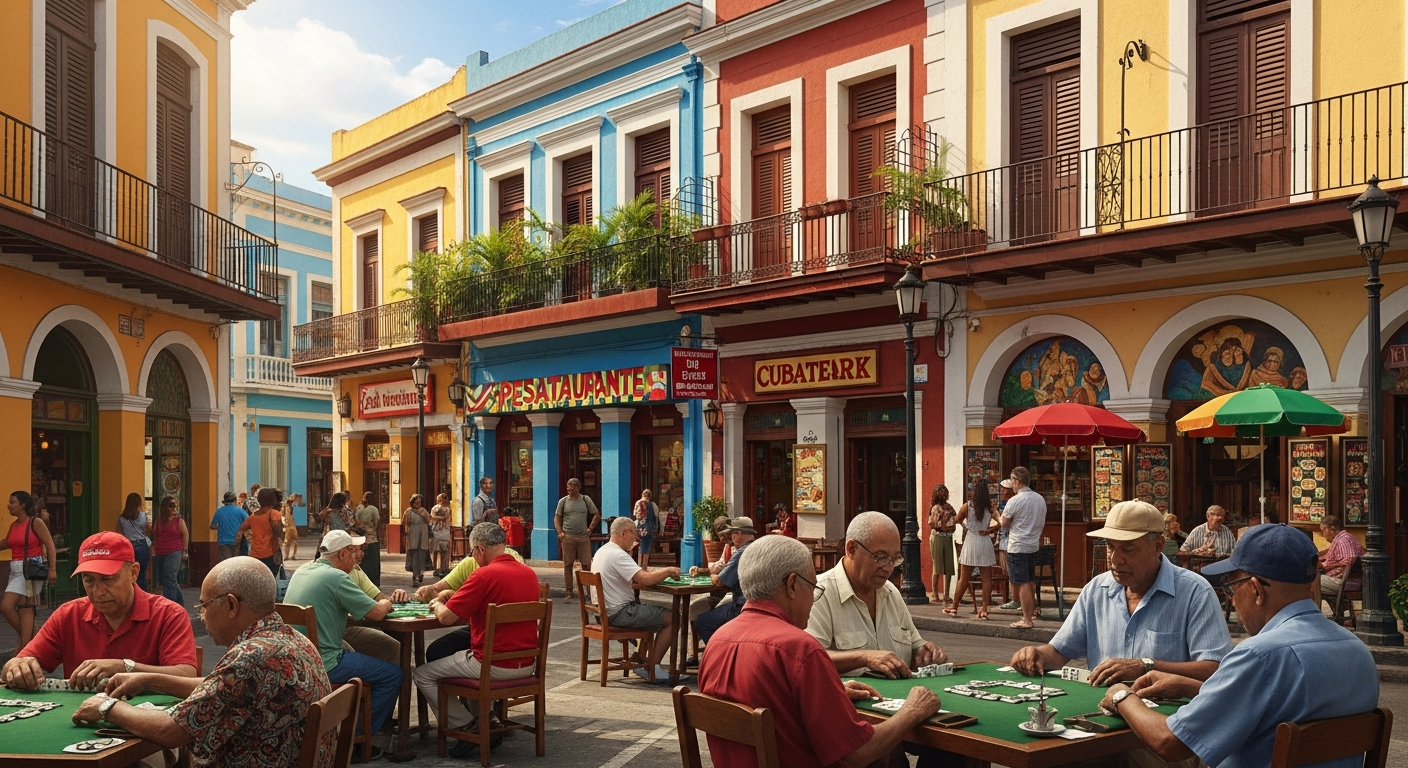
Little Havana. Calle Ocho (SW 8th Street) serves as the commercial spine of Miami's Cuban community, hosting independently owned restaurants, cafeterias, cigar shops, fruit stands, and domino parks. The corridor stretches 15 blocks from SW 12th to SW 27th Avenue.

Wynwood Arts District. A former warehouse district transformed into an outdoor gallery and independent business hub. Over 70 art galleries, independent restaurants, and creative studios operate alongside the Wynwood Walls outdoor mural collection.

Design District. A 18-block neighborhood north of Midtown featuring independently owned design showrooms, art galleries, and restaurants alongside luxury retail. The district hosts monthly art walks drawing 5,000+ visitors.

Coconut Grove. Miami's oldest continuously inhabited neighborhood operates a walkable village center with independent restaurants, boutiques, and marine supply businesses serving the adjacent sailing and boating community.

Little Haiti. The cultural center of Miami's Haitian community along NE 2nd Avenue features independent Creole restaurants, bakeries, botanicas, barbershops, and Caribbean grocery stores serving a community of 100,000+ Haitian Americans.

Coral Gables Miracle Mile. A half-mile stretch of independently owned restaurants, bridal shops, art galleries, and professional offices in the planned community of Coral Gables. The Mediterranean Revival architecture dates to the 1920s.

Upcoming Events in Miami

Mar 8

Calle Ocho Festival

SW 8th Street, Little Havana

The largest Hispanic street festival in the United States draws 1 million attendees along 23 blocks of Calle Ocho. Independent food vendors, musicians, and cultural organizations fill the street from noon to midnight.

2nd Saturday

Wynwood Art Walk

Wynwood Arts District, Miami

Monthly open gallery night in Wynwood where 50+ independent galleries open their doors simultaneously. The free event draws 10,000+ visitors who browse art and dine at neighborhood restaurants.

Feb 13

Coconut Grove Arts Festival

Coconut Grove, Miami

Three-day outdoor arts festival ranked among the top art shows in the United States. Over 300 independent artists exhibit alongside local food vendors and live music in Coconut Grove's village center.

Oct 17

South Beach Seafood Festival

Lummus Park, South Beach

Annual beachfront festival featuring 30+ independent Miami seafood restaurants competing for best dish honors. The festival highlights the city's independent restaurant community along the waterfront.

May 16

Little Haiti Book Festival

Little Haiti Cultural Complex

Annual literary festival celebrating Haitian and Caribbean culture through readings, panel discussions, and independent booksellers. The festival supports Little Haiti's independent business corridor along NE 2nd Avenue.

Restaurants & Dining in Miami

Home Services in Miami

Retail & Shopping in Miami

Health & Wellness in Miami

Beauty & Grooming in Miami

Tips for Finding Local Businesses in Miami

What neighborhoods have the best independent dining in Miami?

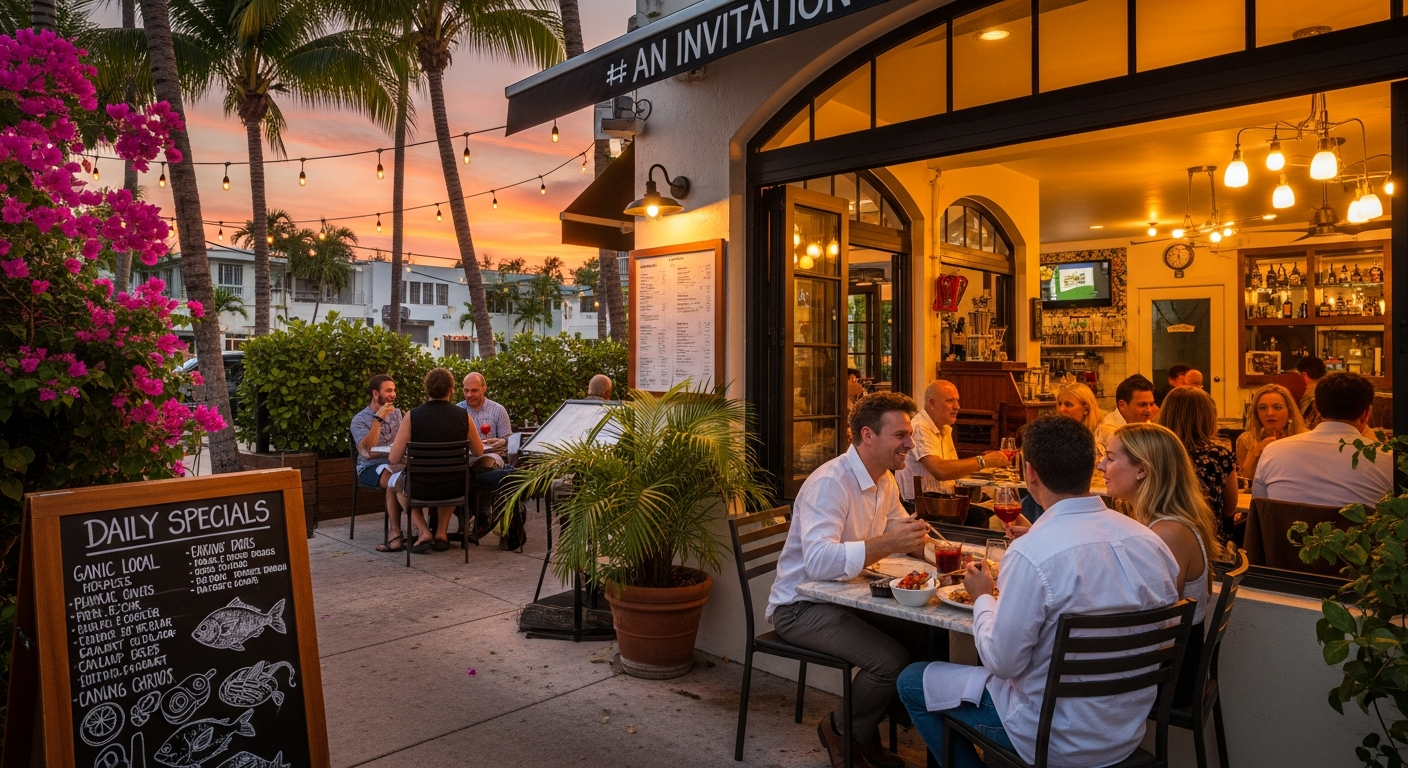
Little Havana along Calle Ocho (SW 8th Street) concentrates the highest density of independently owned restaurants in Miami, with 60+ Cuban and Latin American establishments in a 15-block stretch. Wynwood hosts 40+ independent restaurants ranging from Venezuelan arepas to Japanese ramen in converted warehouse spaces. Bird Road (SW 40th Street) between 72nd and 97th Avenues serves as a locals-only dining corridor with independent Colombian, Peruvian, and Nicaraguan restaurants that rarely appear in tourist guides.

How do Miami homeowners find licensed contractors who speak their language?

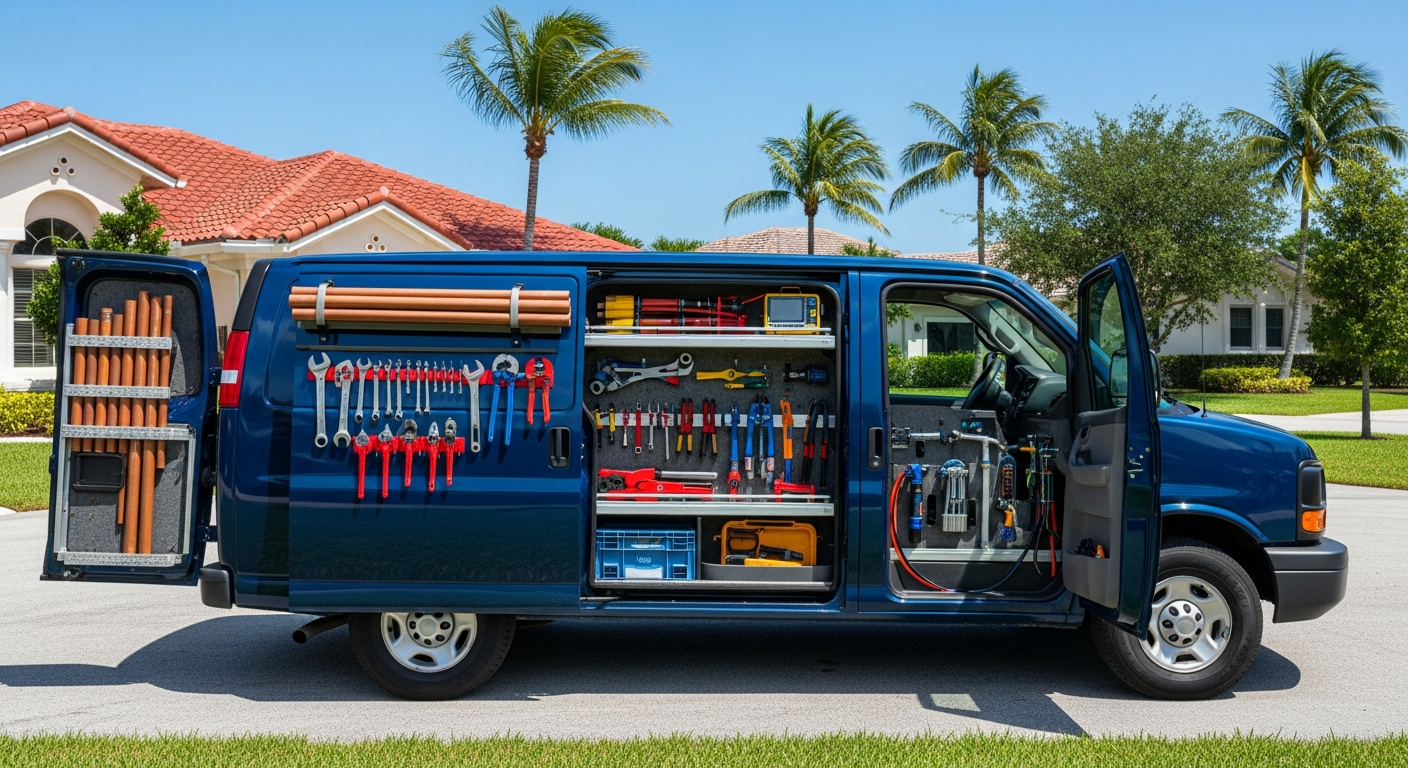
Florida licenses contractors through the Department of Business and Professional Regulation (DBPR), and Miami-Dade County requires additional local licensing for many trades. Homeowners verify contractor licenses at myfloridalicense.com. In Miami, 73% of independent contractors operate bilingual businesses in English and Spanish. Local business directories that tag language capabilities help homeowners find service providers who communicate clearly about project scope, timelines, and costs. Miami-Dade County building permits require licensed contractors for any work exceeding $5,000 in value.

What role does Miami's international community play in its local business scene?

Miami's business community draws from 150+ countries of origin. Cuban Americans established the first wave of independent businesses in Little Havana during the 1960s, building the commercial infrastructure that later supported Nicaraguan, Venezuelan, Colombian, and Haitian entrepreneurs in adjacent neighborhoods. Today, 58% of Miami-Dade County's small business owners were born outside the United States. This immigrant entrepreneurship creates a business landscape where independent operators serve specific cultural communities with products and services unavailable from national chains.